


TransJogja launched in 2008 as Yogyakarta’s BRT (bus rapid transit) service — once a promising answer to the city’s growing vehicle congestion. Management problems and corruption within the operating body damaged public trust and gradually pushed riders away from this red-plated public transport.
The fleet remains undersized for the 17 routes it serves. Many buses are no longer roadworthy — failed air conditioning, broken doors — due to insufficient maintenance and renewal cycles. Yet they keep running, because the service handles over 17,000 daily passengers and can’t simply pull vehicles from operation.


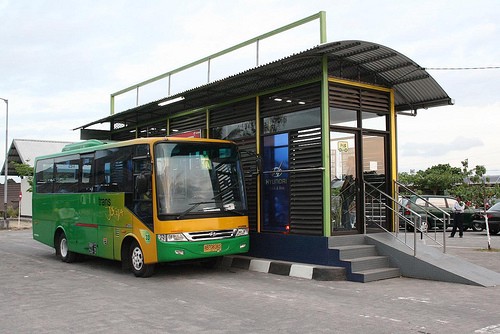

TransJogja has over 200 stops and portable shelters across the urban area, but placement is often poorly chosen relative to actual commuter flows — reducing both convenience and ridership. Shelters that consume pedestrian pavement space also conflict with pedestrian rights. The portable shelters only allow boarding with a prepaid subscription card; low subscription uptake further suppresses usage.
Despite receiving additional buses from the central government through the Ministry of Transportation in 2017, many ageing vehicles remained in rotation to cover daily demand. The visible result: TransJogja buses contributing visibly to roadside air pollution.
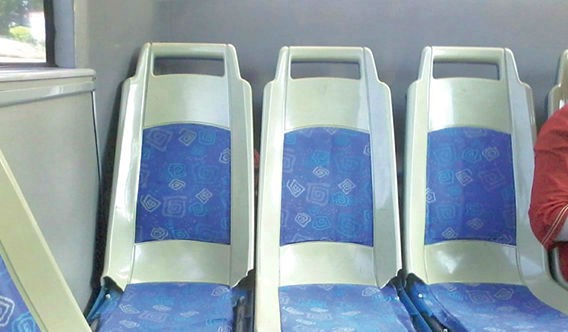
The condition of bus interiors is concerning. Even with new fleet additions from both the Ministry of Transportation and the DIY Provincial Government, the volume of passengers — over 17,000 per day — means unfit vehicles can’t be fully retired yet.
TransJogja has the potential to be a genuinely useful urban transit system. Whether it gets there depends on consistent fleet renewal, smarter stop placement, and the institutional will to fix what’s been broken for years.
About The Author

Johan Ferdian JR
Goweser kalcer yang mencoba ngultra • #JurnalPedal #whatthefood #pijak #publica #intuisi #listopia


